Protect Your Home
Before the Next Quake
Many Bay Area homes were built before modern seismic standards. A properly designed retrofit strengthens the connection between your house and its foundation so it can better resist earthquake forces. Permit-ready plans simplify approval and ensure a safe retrofit.
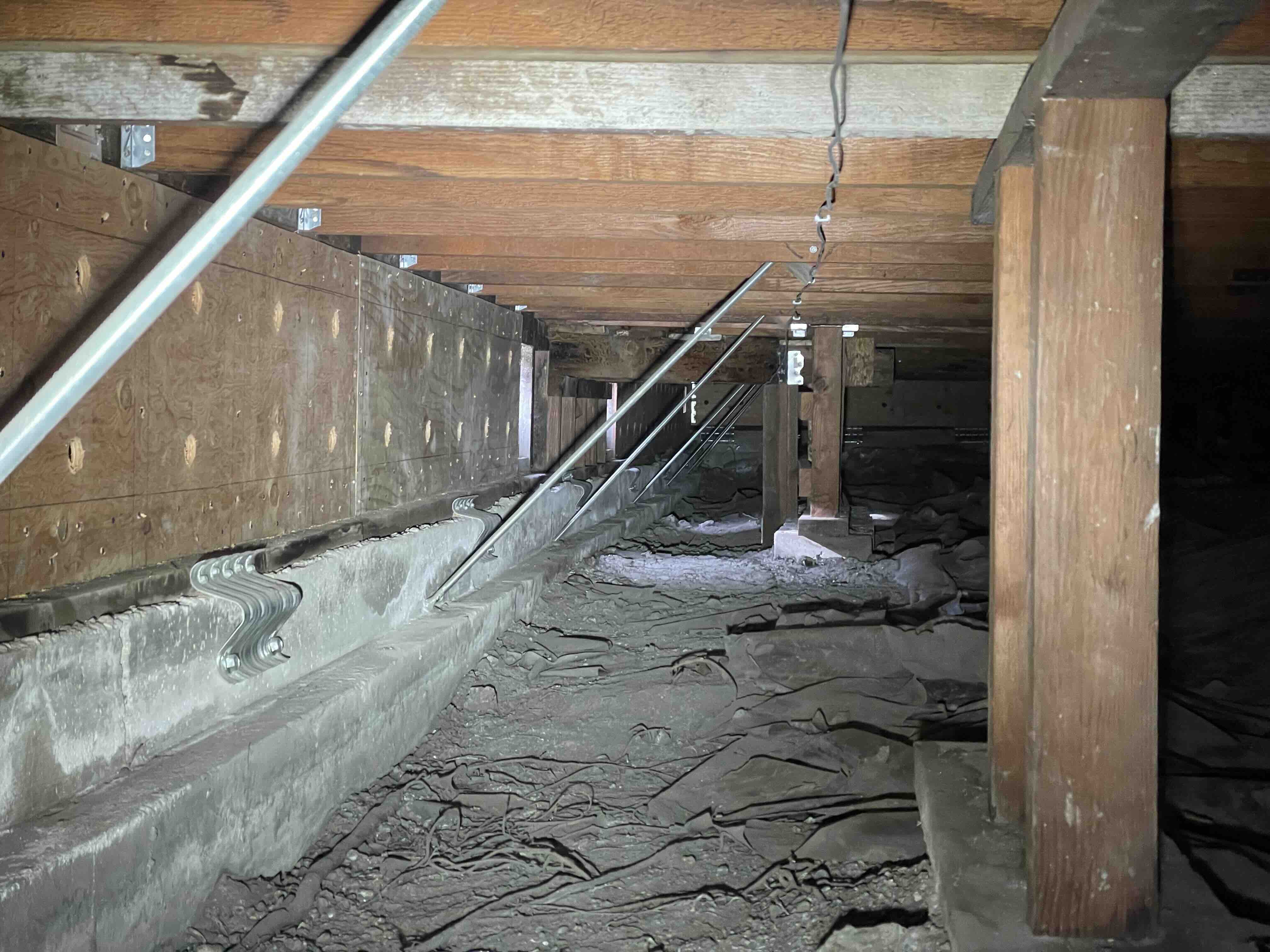
Why Seismic Retrofitting Matters
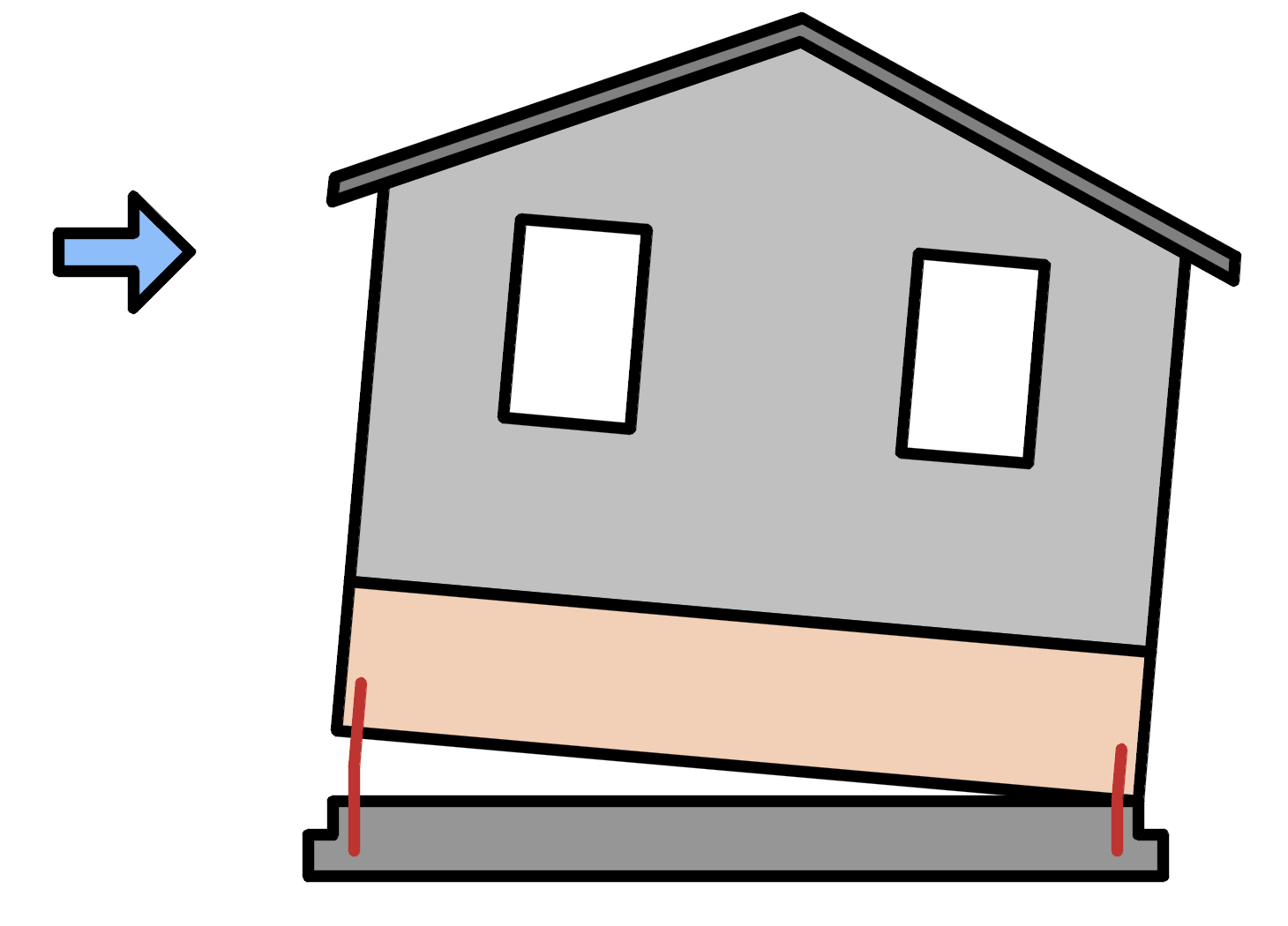
During an earthquake, a house is pushed side to side by ground movement. If the framing is not properly braced and anchored to the foundation, the structure can rack, slide, or even collapse. Many homes with raised foundations and cripple walls are especially vulnerable.
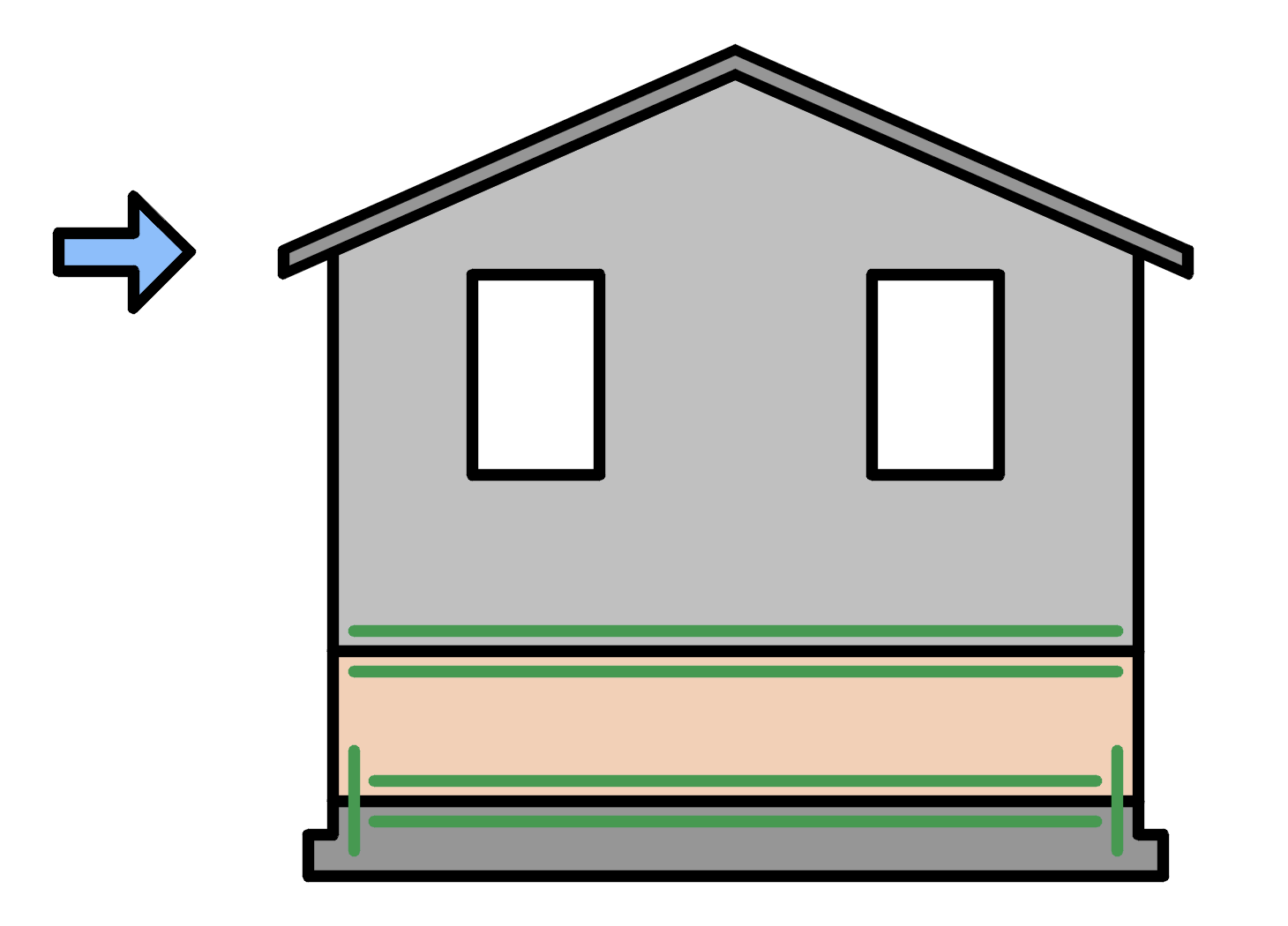
A seismic retrofit focuses on strengthening the parts of the home that transfer these forces to the ground. When designed correctly, the system works together to keep the house securely attached to its foundation and reduce the risk of major structural damage.
How Earthquakes Damage Unretrofitted Homes
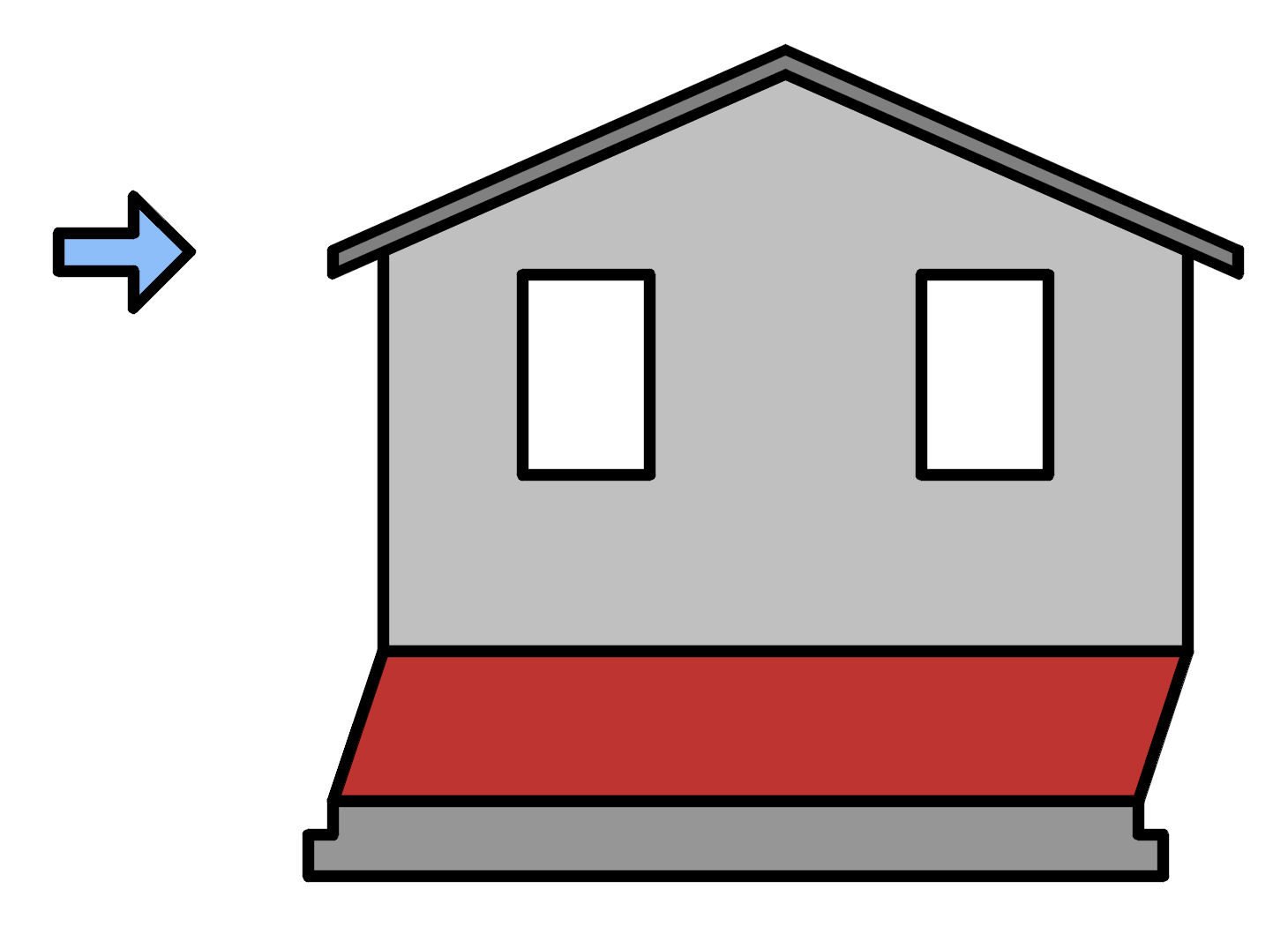
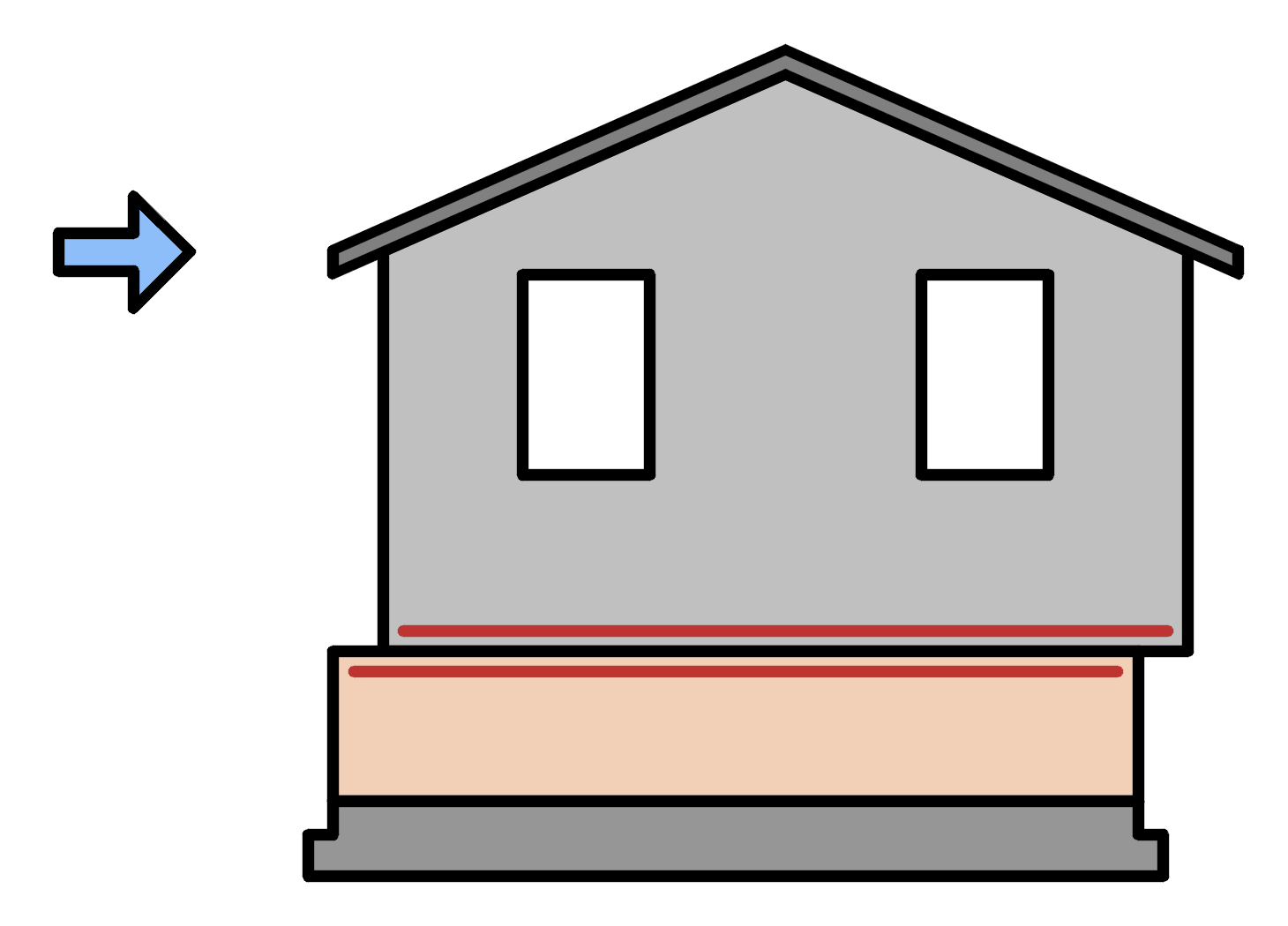
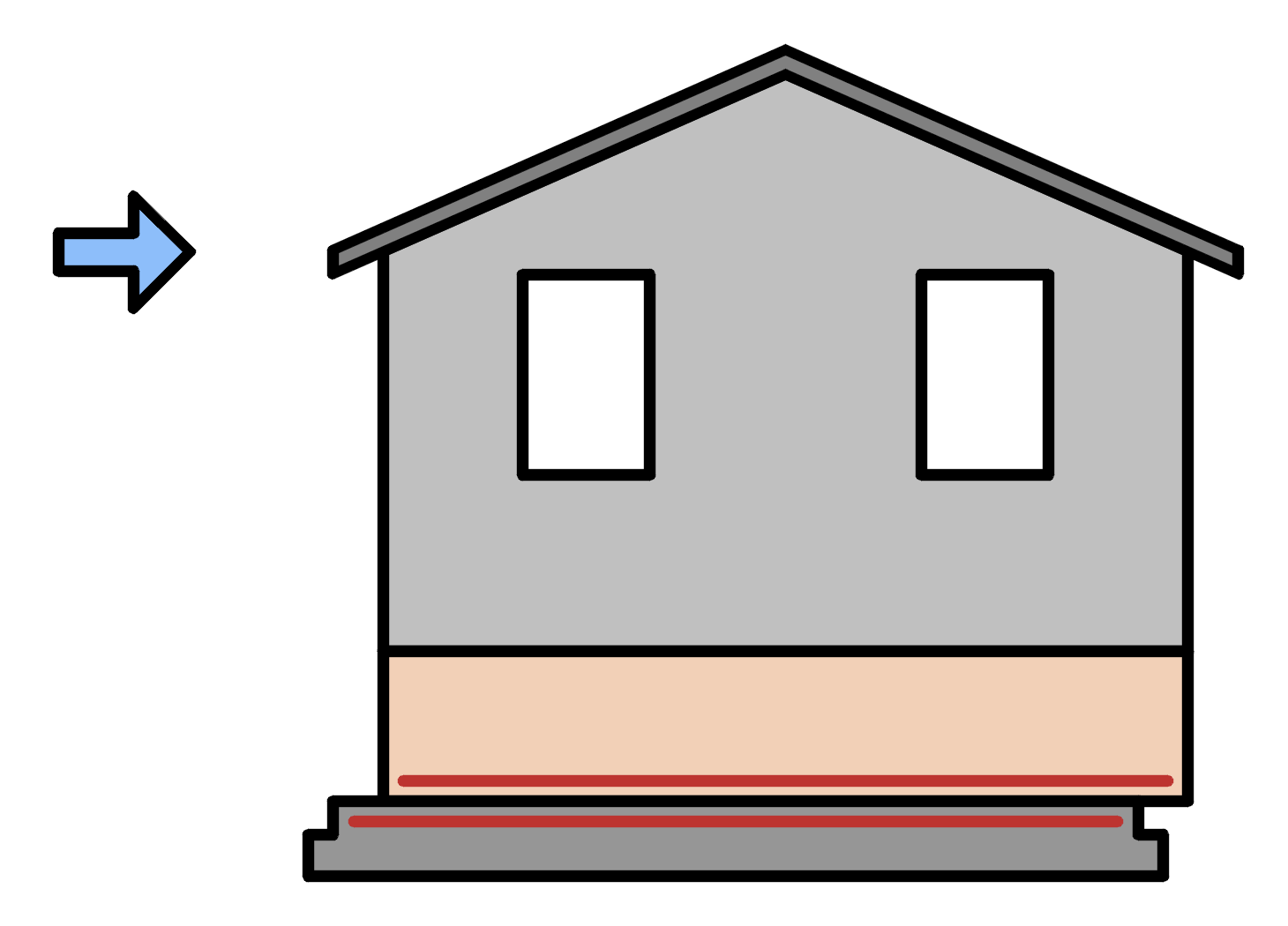
Homes that lack proper anchorage and bracing often fail in predictable ways. Below are common damage patterns seen in older houses that have not been retrofitted.
Key Components of a Seismic Retrofit
Foundation Anchorage
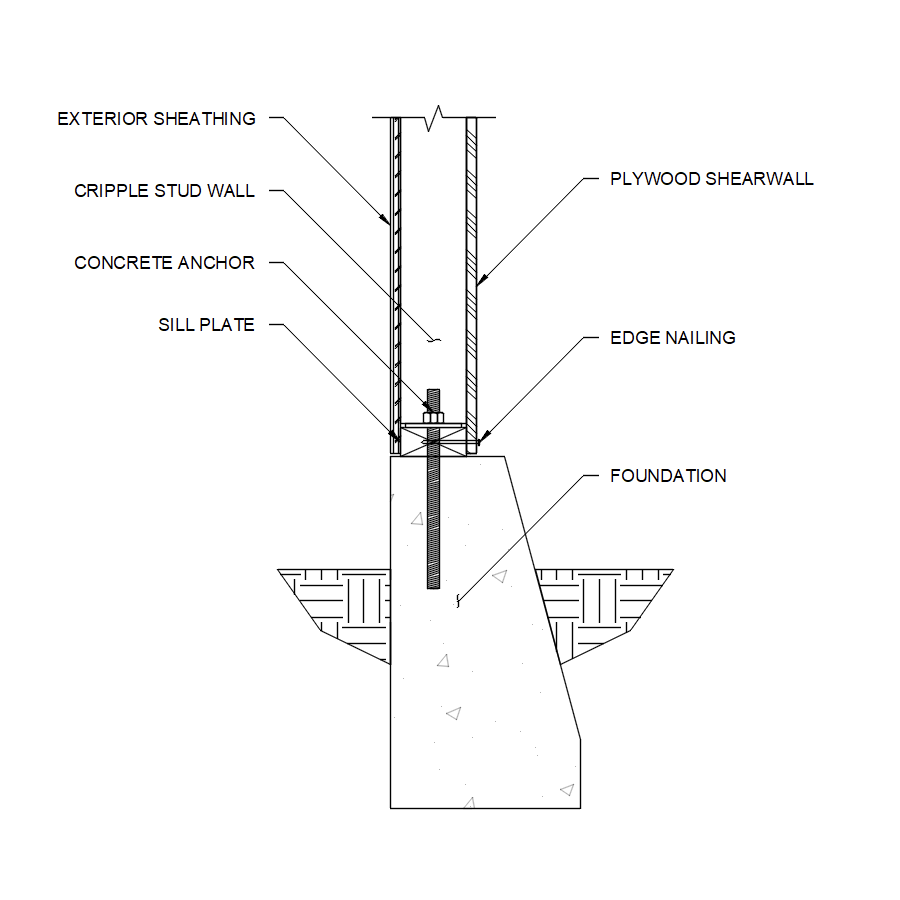
Anchor bolts connect the wood framing of the house to the concrete foundation. Many older homes either have no anchor bolts or have bolts spaced too far apart to meet current standards.
During strong shaking, a house without proper anchorage can slide several inches off its foundation. We specify bolt spacing, edge distances, and plate washers in accordance with current code so the framing remains firmly attached to the concrete.
Plywood Shear Walls
In homes with raised foundations, short cripple walls between the foundation and the first floor are especially vulnerable. Without reinforcement, these walls can rack or collapse under lateral forces.
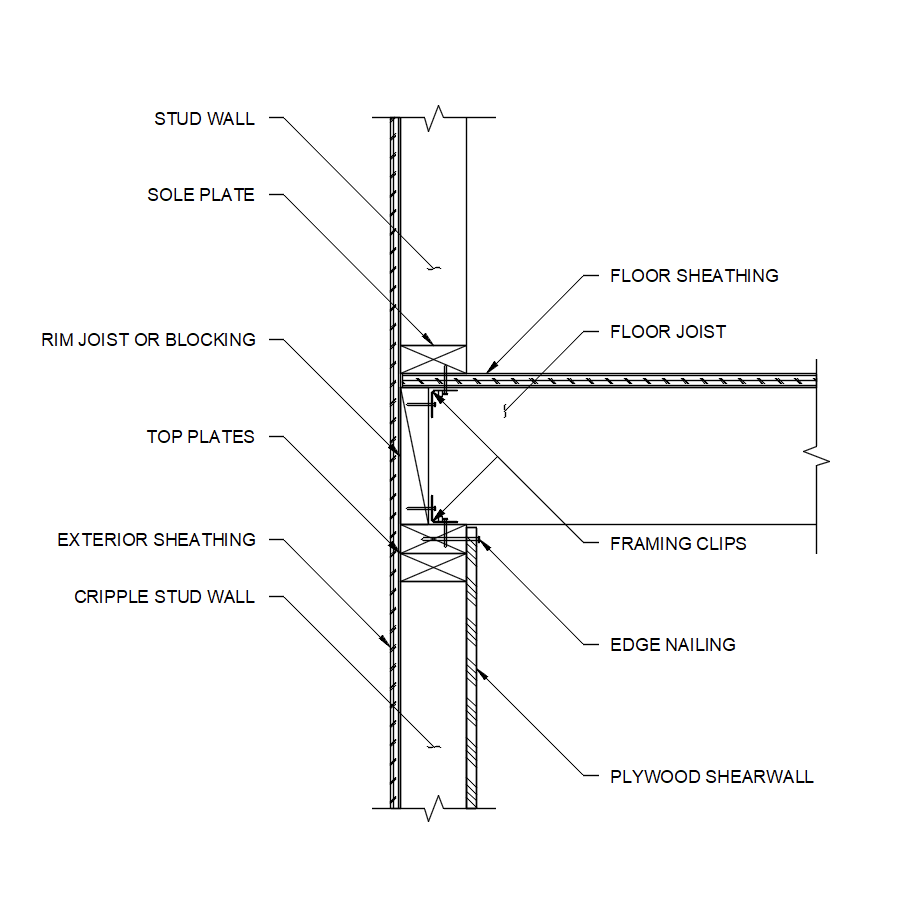
Structural plywood panels are installed to stiffen these walls and resist side-to-side movement. Proper nailing patterns, panel layout, blocking, and edge fastening are essential for the wall to perform as designed.
Hardware & Continuous Load Path
Metal connectors, holdown devices, and framing attachments tie the structure together. These components ensure that forces are transferred from the floor framing into the shear walls and down into the foundation.
A retrofit works best when the entire system is considered. When each connection is properly detailed, the house behaves as a single structural unit rather than a collection of separate pieces.
Ready to Strengthen Your Home?
If you are considering a seismic retrofit, we can evaluate your home and provide clear structural guidance on the next steps.
Schedule a Consultation